From the bench · 22 Aug 2025
Medicines and Flavours
By Nick Buete
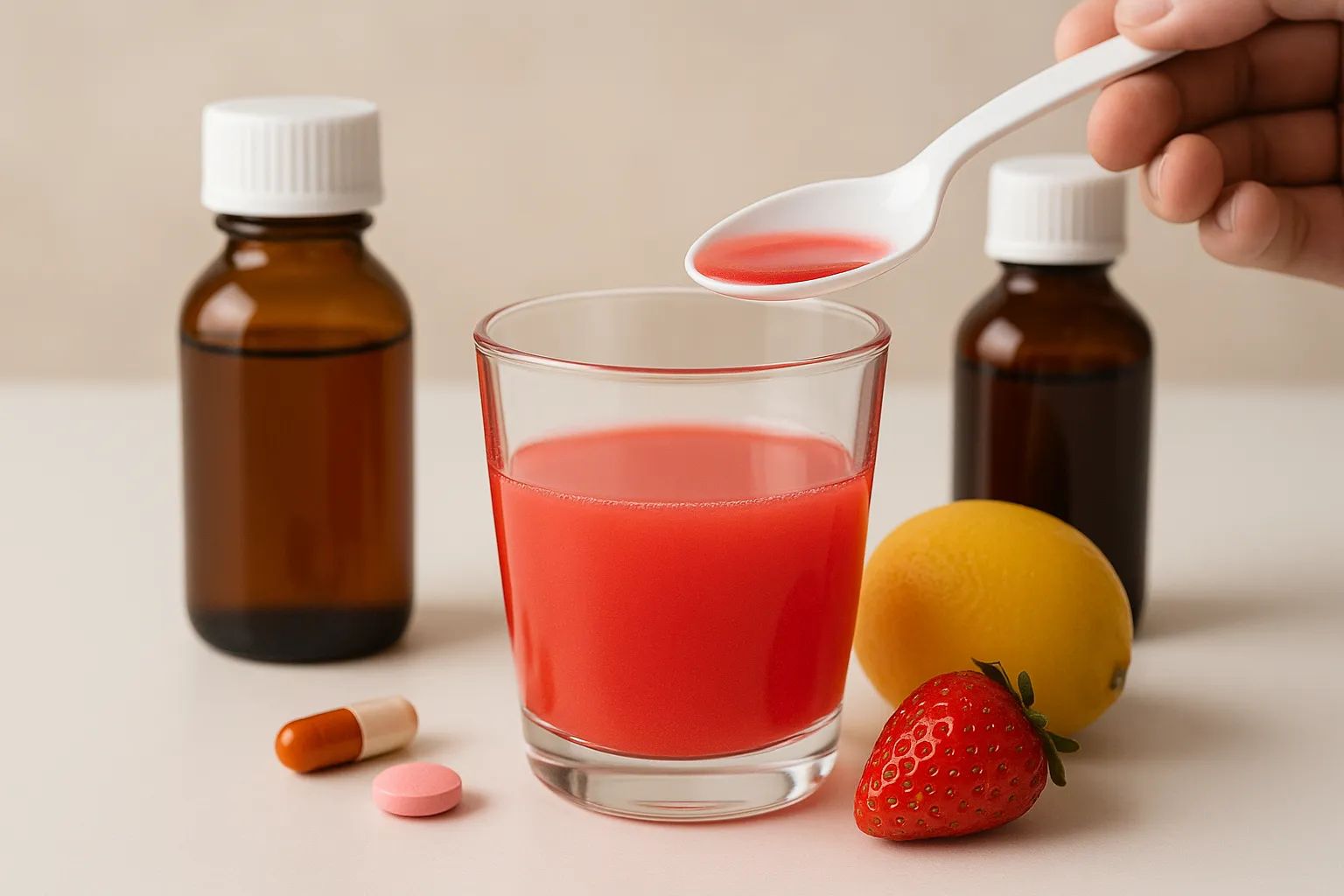
Why Do Medicines Taste Awful? A Deep Dive Into Flavours in Compounding
Most of us have memories of medicine that tasted so unpleasant it was a challenge just to swallow it. From bitter antibiotics to chalky suspensions, taste is one of the most common barriers to medication adherence—especially for children and pets.
But why do medicines taste so bad? And how can flavouring, particularly in compounding, make them easier to take?
Why Medicines Taste Unpleasant
Bitterness
Many active pharmaceutical ingredients (APIs) are naturally bitter. This is a protective mechanism—our bodies evolved to associate bitterness with potential toxins, which is why even small amounts can trigger an aversion.Acidity or Sourness
Some medicines are formulated as acidic salts, creating a sour taste. This can be sharp and unpleasant on its own.Metallic or Chalky Notes
Minerals, certain salts, and insoluble powders can leave a lingering metallic or chalky aftertaste.Solvents and Excipients
Ingredients used to dissolve or stabilise the medicine can also contribute unwanted flavours.
How Flavours Can Be Masked at Home
If you (or your child) are struggling with the taste of a medicine, a few safe tricks may help:
Chill it – Cold temperatures can dull the perception of bitter flavours. Store the medication in the fridge (if appropriate—always check with your pharmacist first).
Chaser method – Take the medicine with a sip of juice, cordial, or milk immediately afterwards to wash away lingering flavours.
Use a straw – Drinking bitter or sour liquid medications through a straw can bypass much of the tongue, reducing taste perception.
Pair with food – If the medicine can be taken with food, mixing or following with a spoonful of yogurt, applesauce, or honey can help mask the aftertaste.
⚠️ Important: Always check with your pharmacist before mixing medicines with foods or drinks, as some combinations may reduce effectiveness.
Good Flavour Combinations
Certain flavour families work better than others to mask bitterness, sourness, or metallic notes:
For Bitter Medicines
Chocolate, cherry, or coffee flavours can suppress bitterness.
Strong flavours like peppermint, liquorice, or bubblegum are also commonly used.
For Sour or Acidic Medicines
Sweet fruit flavours like mango, banana, and strawberry balance sharp sourness.
Creamy bases like vanilla or caramel can soften acidity.
For Metallic or Chalky Medicines
Citrus flavours (orange, lemon-lime) can brighten and cover metallic aftertastes.
Grape flavouring is a classic choice for suspensions.
For Pets
Chicken, beef, fish, or peanut butter flavours make medications far more palatable.
Where Compounding Makes the Difference
While small tricks can help at home, sometimes no amount of juice or chocolate can hide the taste. This is where compounding pharmacies provide a tailored solution.
Compounding allows pharmacists to:
Add professional-grade flavourings designed to mask specific APIs.
Customise flavours based on a child’s or pet’s preferences (think strawberry for kids, tuna for cats).
Create alternative dosage forms (such as a cream, capsule, or troche) when liquids are too unpleasant.
Final Thoughts
Bad-tasting medicine doesn’t have to be a battle. Whether it’s masking bitterness with the right flavour combinations, using at-home tricks, or working with a compounding pharmacy to tailor a medication, there are always options to make treatment easier.
If you or your family are struggling with unpleasant-tasting medicines, talk to our pharmacists at Gardens Compounding Pharmacy—we can help find a solution that works for you.